Kristian Ratia
About me
I was going to be a farmer when I grew up. These days I'm not quite sure what I'll be when I grow up.
On this page
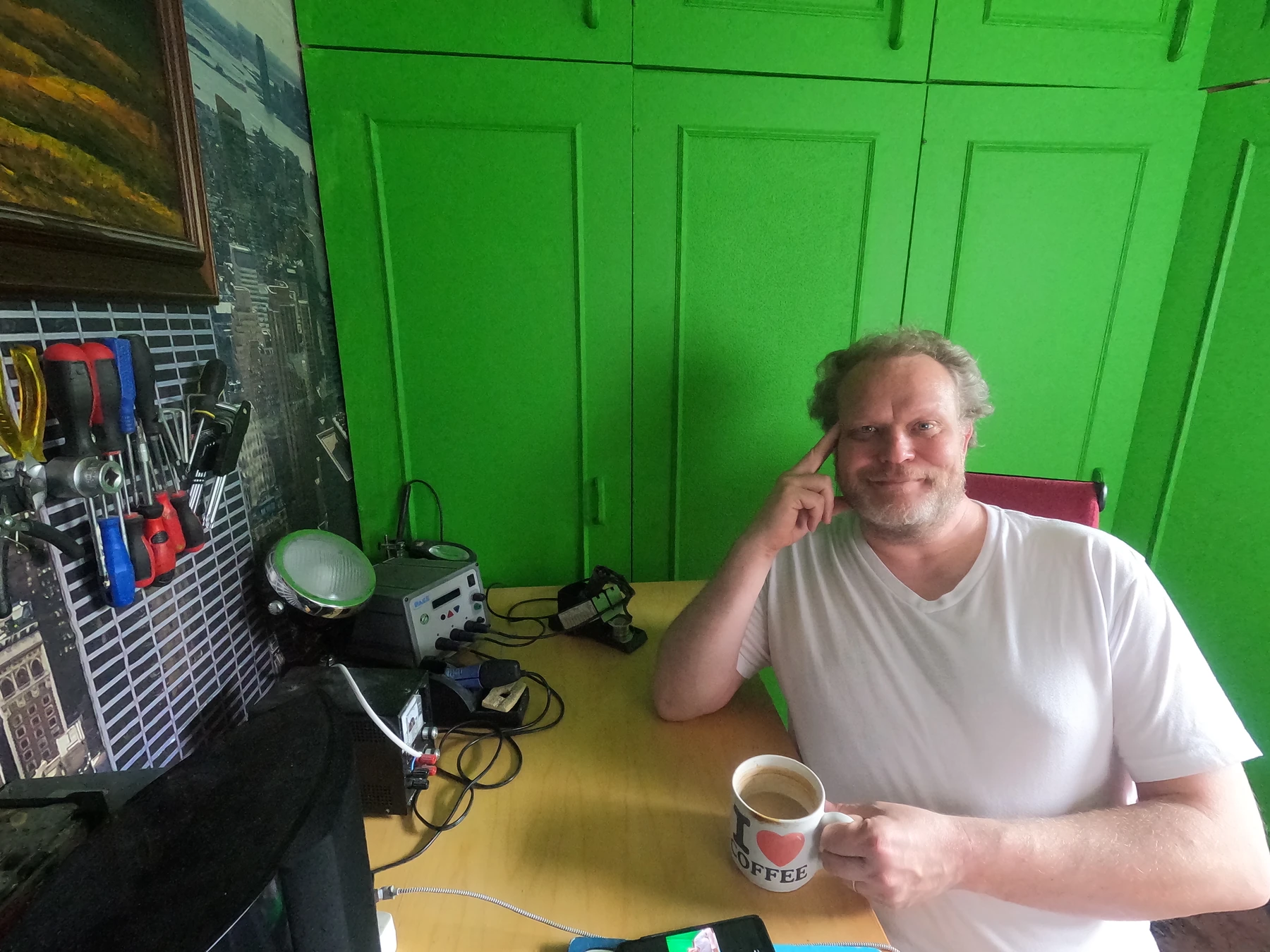
One thing I have noticed is that I'm interested in an awful lot of things. When I come across something new and intriguing, I usually want to know how it works. Often, I also want to see whether I could make something similar myself.
I almost always have a project on the go. Usually several, because a new and interesting problem can be more tempting than finishing an old project.
Especially once I've solved the hardest part of the old one—at least in my own opinion.
Growing up in the countryside, making things
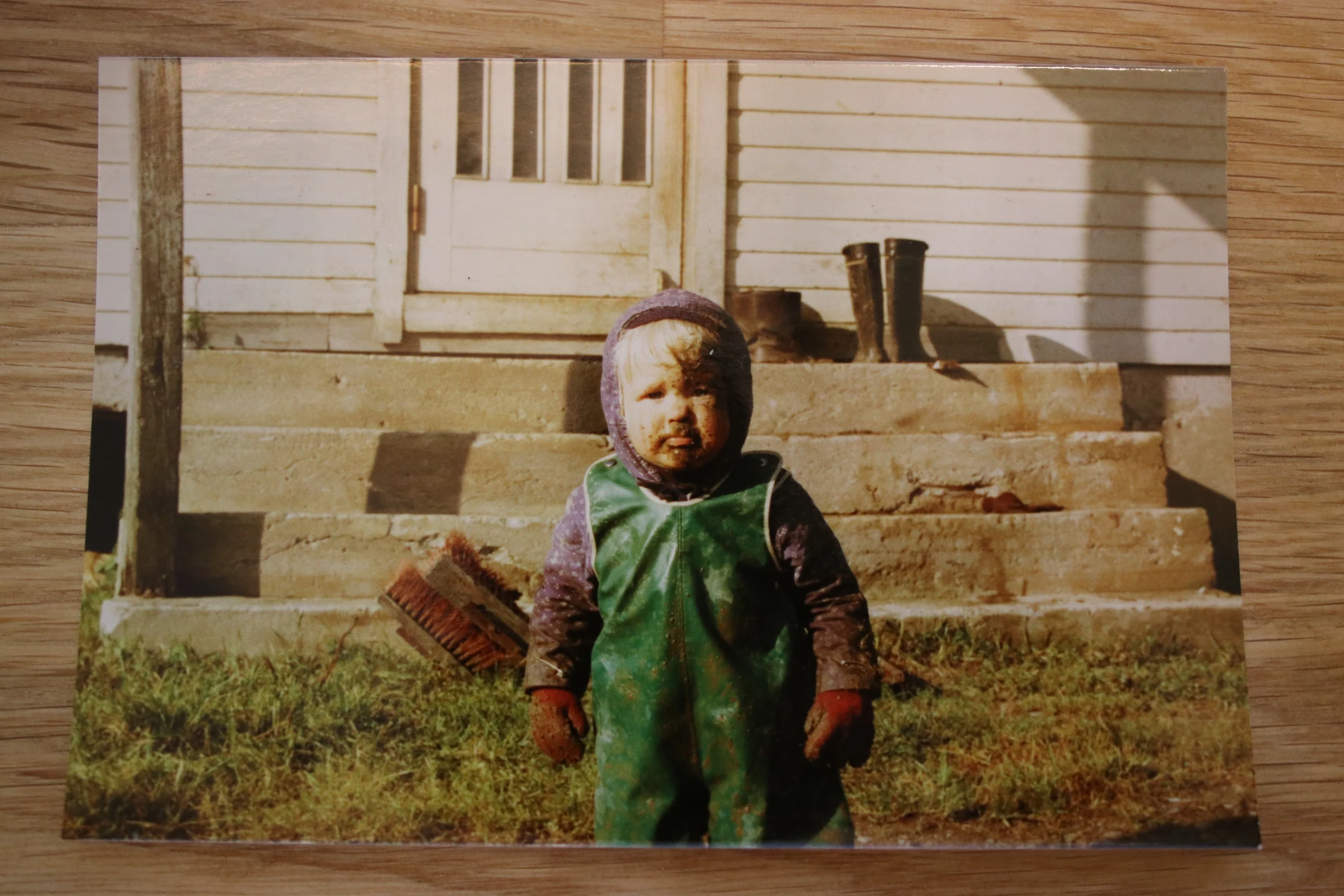
I grew up in the countryside. Childhood involved building dens, working in the fields, welding my bicycle and making all sorts of things. If something was needed, you could try to make it yourself. It didn't even have to be needed to be worth a try.
That way of thinking hasn't really changed. These days, instead of a den, it might be a program, an AI system or an electronics project. The basic idea is still the same: I want to find out how something is made.
Amiga, Pascal and my first programs
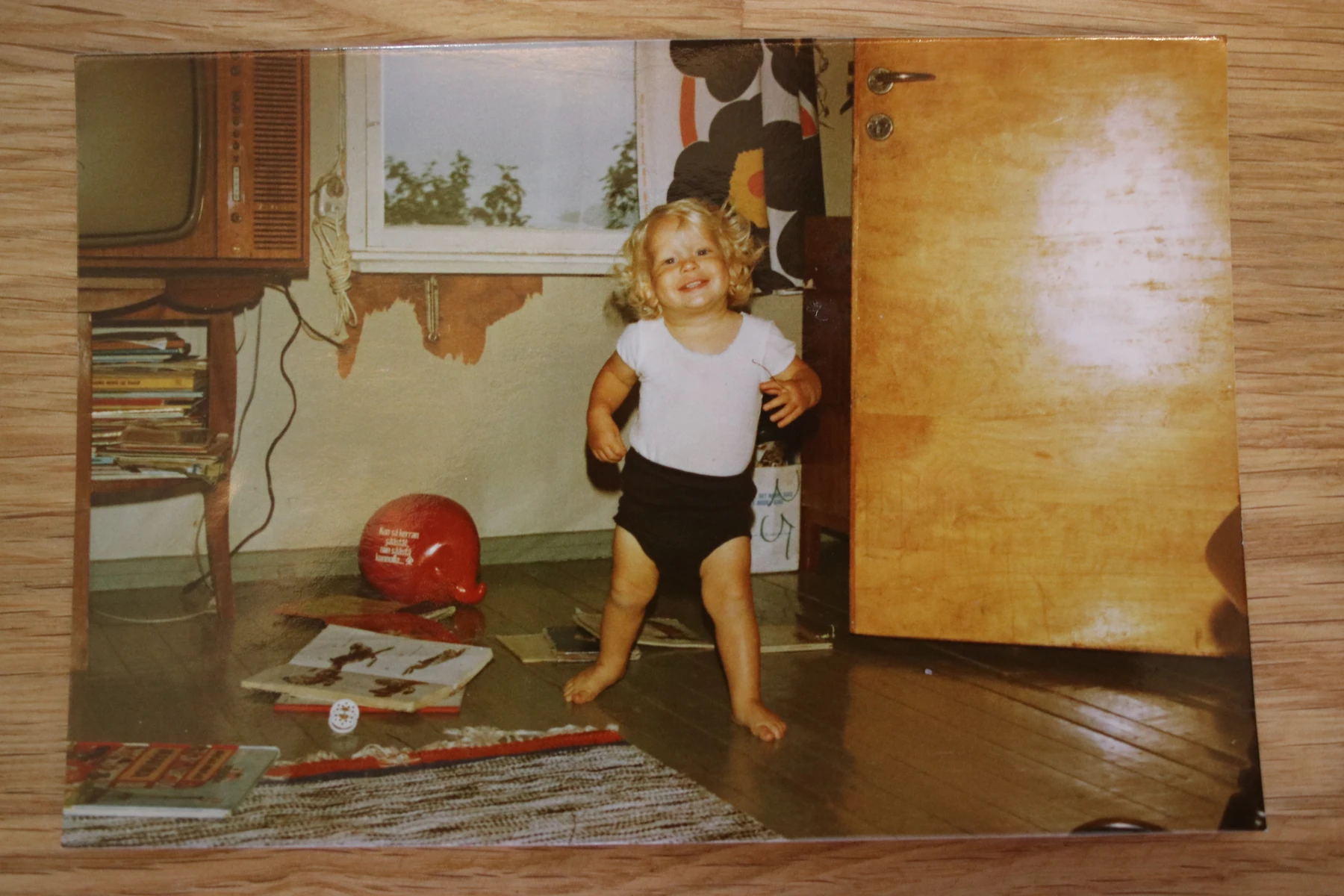
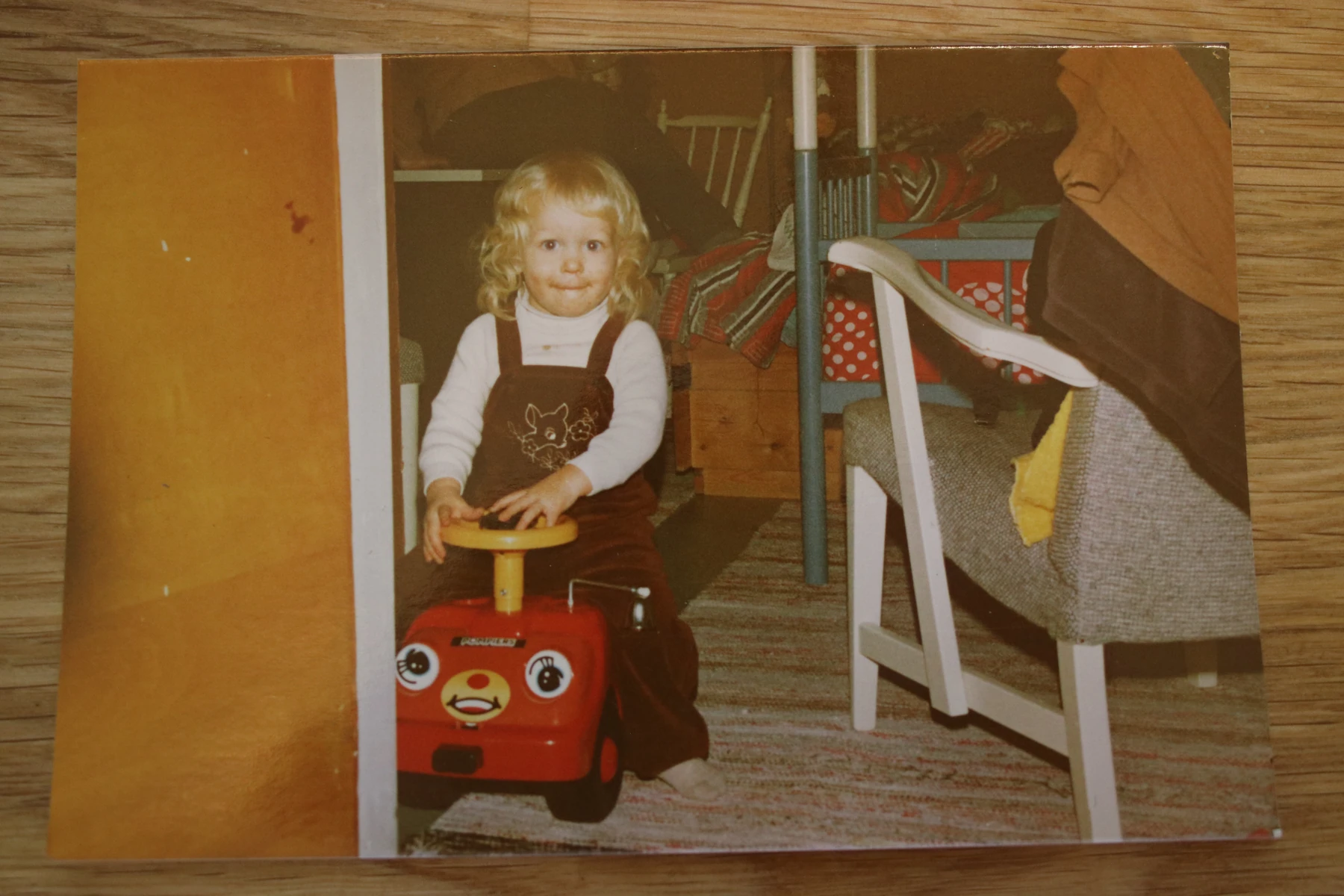
My first computer was an Amiga 500. At first I mostly played games, but I also tried programming, without really understanding what I was doing yet. At secondary school, Pascal and QBasic began to make things click.
After finishing upper secondary school, I went to the University of Helsinki to study computer science. In 2000, my student accommodation had a 100-megabit internet connection. At the time, it felt distinctly futuristic.
In 2004 I moved to Oulu and continued my studies at the University of Oulu.
Student life, with a few detours
There was much more to student life than lectures. I was active in student organisations, and in 2009 I chaired Blanko and served on the board of the Student Union of the University of Oulu.
There was more than enough to do. By the end of the year, I'd pushed myself so far that I burned out.
Later, I went to Oulu University of Applied Sciences to study engineering. My studies went very well, partly because another mature student and I competed to see who could get better grades.
Competition turned out to be a remarkably effective study aid.
During my studies I worked on Android programming, and afterwards as a project employee at Oulu University of Applied Sciences. Eventually I became a lecturer.
Why teaching?
My wife is a teacher, and she encouraged me to apply for a lecturer's position. It would be nice to have our holidays at the same time.
At first I seriously wondered whether I'd make a good teacher. I wasn't worried about knowing the subject, but about explaining it so that other people would understand. Understanding something yourself is very different from helping someone else understand it.
Since then, I've found that teaching suits me rather well. I get to explore interesting things, try them myself and tell others what I've learned. And having our holidays together is still rather nice.
What do other people think?
While studying in Helsinki, I got to know Tuukka, who was from South Ostrobothnia. He once said something along the lines of not really caring what other people thought of him. He knew who he was.
I don't know whether Tuukka would remember that conversation, or even me. But it left me with the thought that other people's impression of me doesn't matter all that much if I know who I am and what I'm doing.
At first I may come across as a rather quiet idiot. That doesn't really bother me. To some extent, it's even a deliberate choice.
I don't feel much need to appear cleverer, more capable or more important than I am. I don't necessarily need to look even as clever, capable and important as I actually am.
There are advantages to that. If people don't expect very much from me, I'm generally left in peace to do things my own way.
When it later turns out that I wasn't quite what the first impression suggested, one pleasant thing remains: they still don't know what else I might be capable of.
Then again, neither do I. Decades ago, I stopped trying to decide what I could and couldn't do. Sometimes things work out and sometimes they don't. Why would I try to define my limits in advance?
I don't usually ask whether it can be done
When I get a new idea, my first question usually isn't whether it's possible. I think about how it could be done. If I can't find a solution, I'd rather assume I don't know enough yet than assume it's impossible.
That doesn't mean every idea I have is good, or even sensible. They just arrive considerably faster than I can carry them out.
You don't have to know everything beforehand. You can learn by doing.
What I do away from the computer
Live.
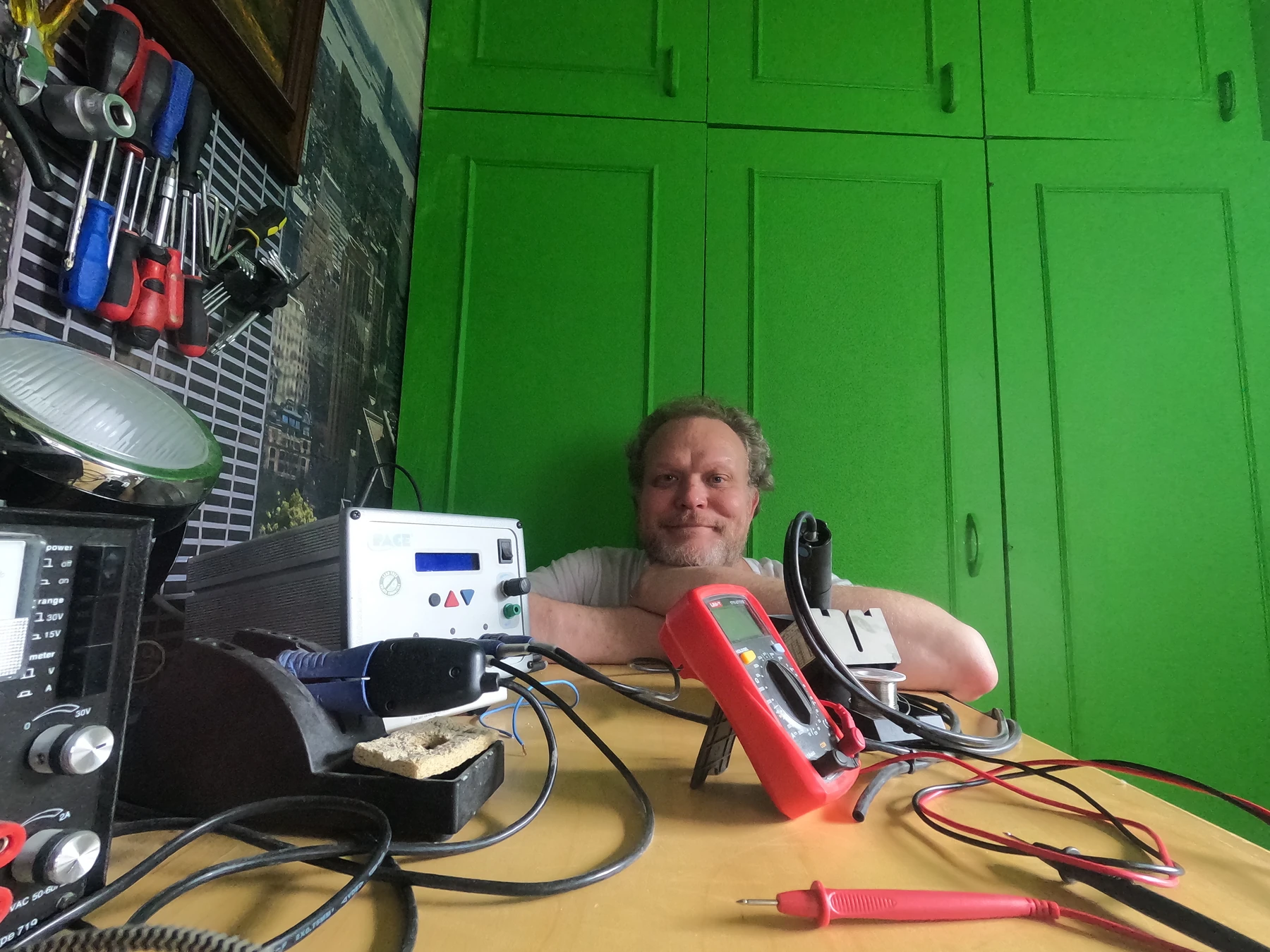
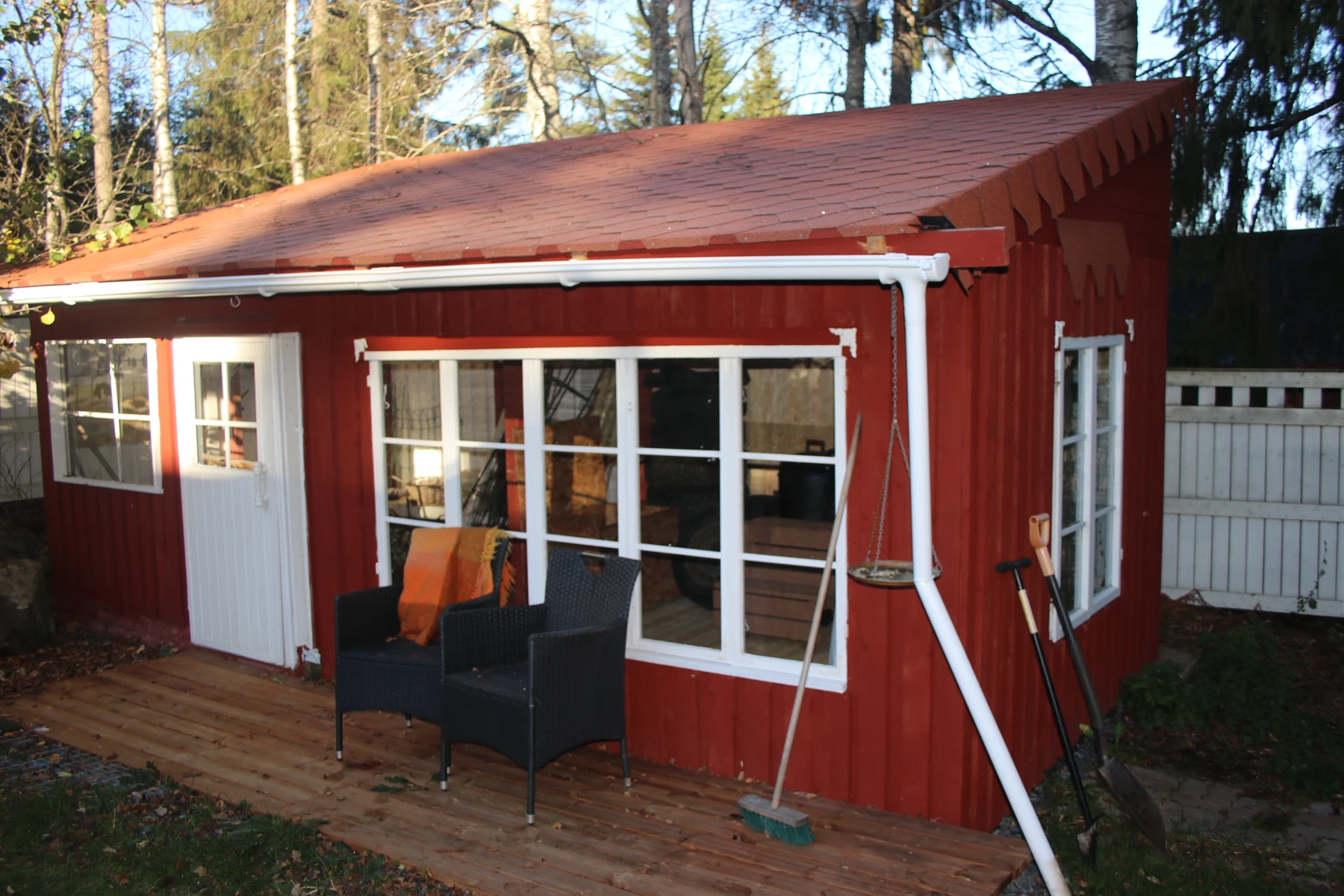
I work in the garden, repair the house and build all sorts of useful—and occasionally less useful—things. Last summer I built a shed. I go to auctions to see what interesting things other people have decided to pass on to the next owner. Sometimes I cycle too, though not often enough to justify presenting myself as particularly athletic.
What matters in my life
My wife, children, relatives, friends and the other people close to me come first.
Then there's a long gap.
The computer, the Jaguar, the Omega watch, calculators and other engineering equipment. There is no need to publish the ranking within that second group.
A few things you might not have wanted to know
I was once so dependent on caffeine that I drank coffee from a half-litre beer mug. The coffee mug sometimes even came into the sauna.
I enjoy chance encounters, at places like Helsinki's railway station. I'm happy to listen to strangers tell me their life stories.
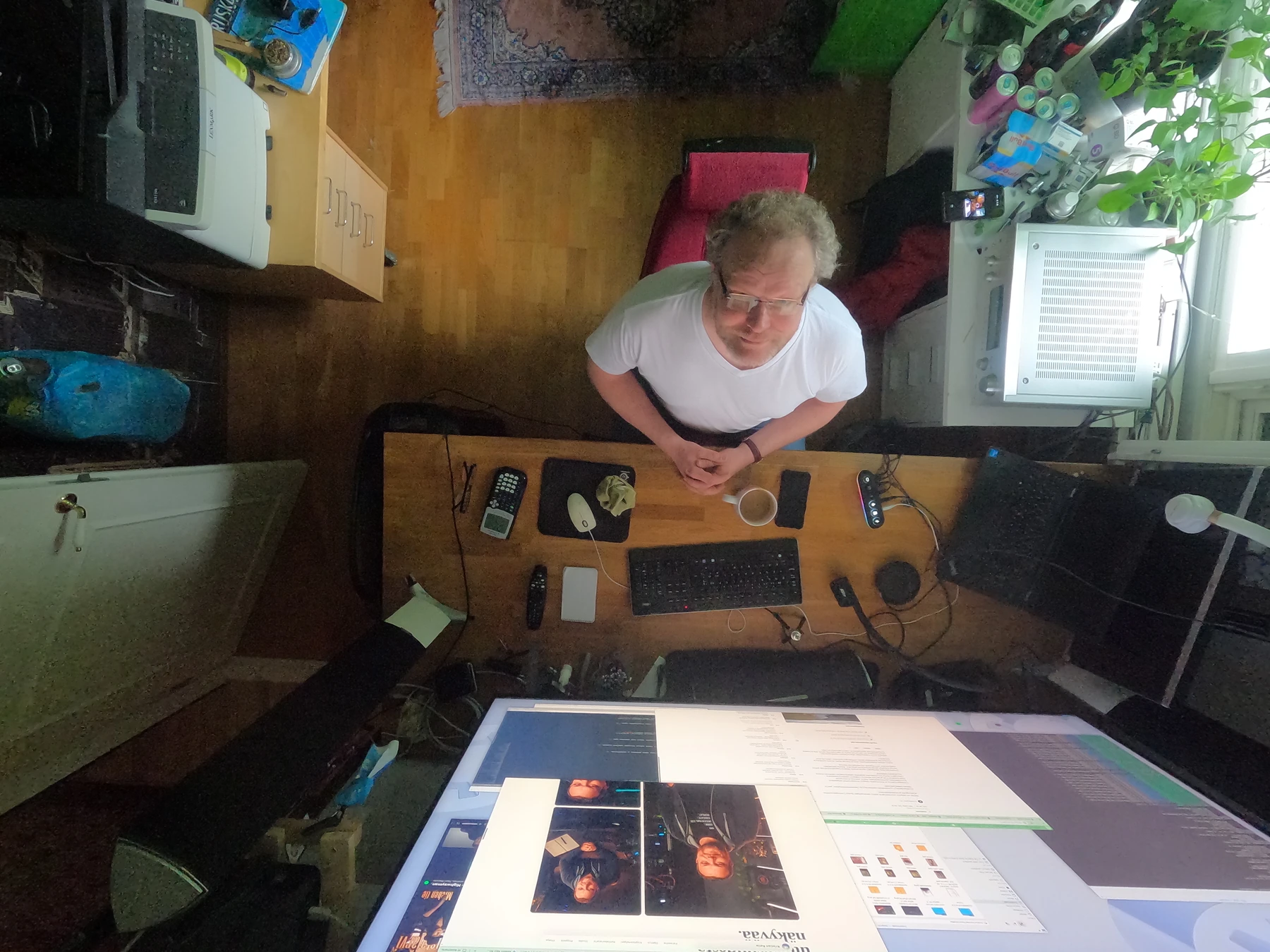
I use a 65-inch 8K television as a computer monitor.
I've collected stamps, coins, watches and comics. These days I also collect unfinished projects.
I think you always pay for things with something: time, money or your nerves. If you use something constantly, it's often worth paying money to save time and frustration. If you only need it occasionally, paying with time or patience instead of money can be perfectly reasonable.
That's why, for my desk, I bought a height-adjustable frame and the largest oak panel I could find. For films there's a projector and a proper sound system. Coffee has a machine of its own too.
Another good thing about quality equipment is that, when it looks ready to give up the ghost, a soldering iron and a screwdriver can often bring it back. With a cheaper device that's difficult to repair, you might as well drop the old one off at the tip and pick up a new one on the same trip.
Not everything has to cost a lot. But the things you use all the time are worth investing in.
What's next?
I want to research, build, experiment and learn about things, some of which may not even exist yet. I want to see what possibilities AI, and later quantum computing, open up.
I'm going to make the cover of Time. I haven't thought of the achievement that will get me there yet. But I'll get there—unless I come across something even more interesting along the way.